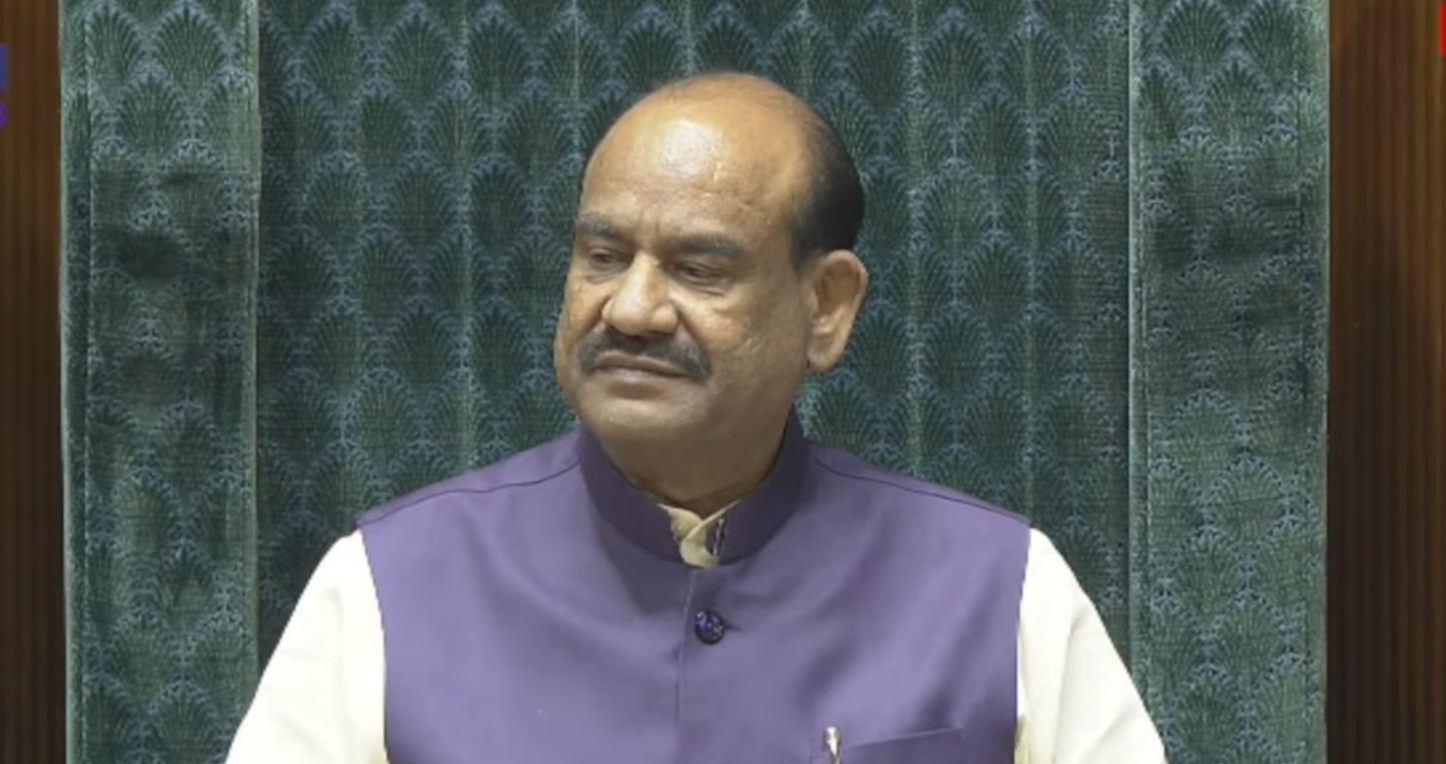
New Delhi : The Lok Sabha witnessed an intense and extended debate late into the night over three crucial bills related to women’s reservation, constitutional amendment, and delimitation. The proceedings, initially scheduled to conclude by 11 PM, were repeatedly extended—first till midnight, then 1 AM—before continuing until all members who wished to speak had been heard.
High Attendance, Especially Among Women MPs
A notable highlight of the session was the significant presence of women MPs in the House. Om Birla, the Speaker of the Lok Sabha, appreciated the active participation of women members, remarking on their commitment to the discussion.


He observed that the number of women present in the House was unusually high and even commented that the night seemed to belong to women MPs, given their active engagement in the debate.
Session Adjourned in Early Hours
After hours of deliberation, the proceedings were finally adjourned at around 1:20 AM on April 17. The House was scheduled to reconvene later in the morning at 11 AM, as announced by Speaker Om Birla.
Key Leaders Share Their Views
The debate saw participation from several prominent leaders across party lines. Prime Minister Narendra Modi addressed the House on April 16, followed by contributions from leaders such as Amit Shah, Priyanka Gandhi, Kangana Ranaut, K. C. Venugopal, and Asaduddin Owaisi, among others.
PM Modi Calls It a Historic Moment
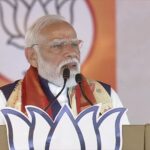
Prime Minister Narendra Modi described the ongoing discussion on the Women’s Reservation Bill as a historic occasion. He emphasized that increasing women’s representation in Parliament and state assemblies would provide a new direction to the country.
He also urged all political parties to come together and pass the proposal for 33% reservation for women with consensus, stating that it would help make up for lost time.
Call for Immediate Action on Women’s Representation
Highlighting the importance of empowering women, the Prime Minister paid tribute to the country’s “Nari Shakti” and stressed that there should be no further delay in implementing the 33% reservation.
He also cautioned that opposing such a move could have negative consequences, underlining the growing demand and necessity for greater female representation in governance.