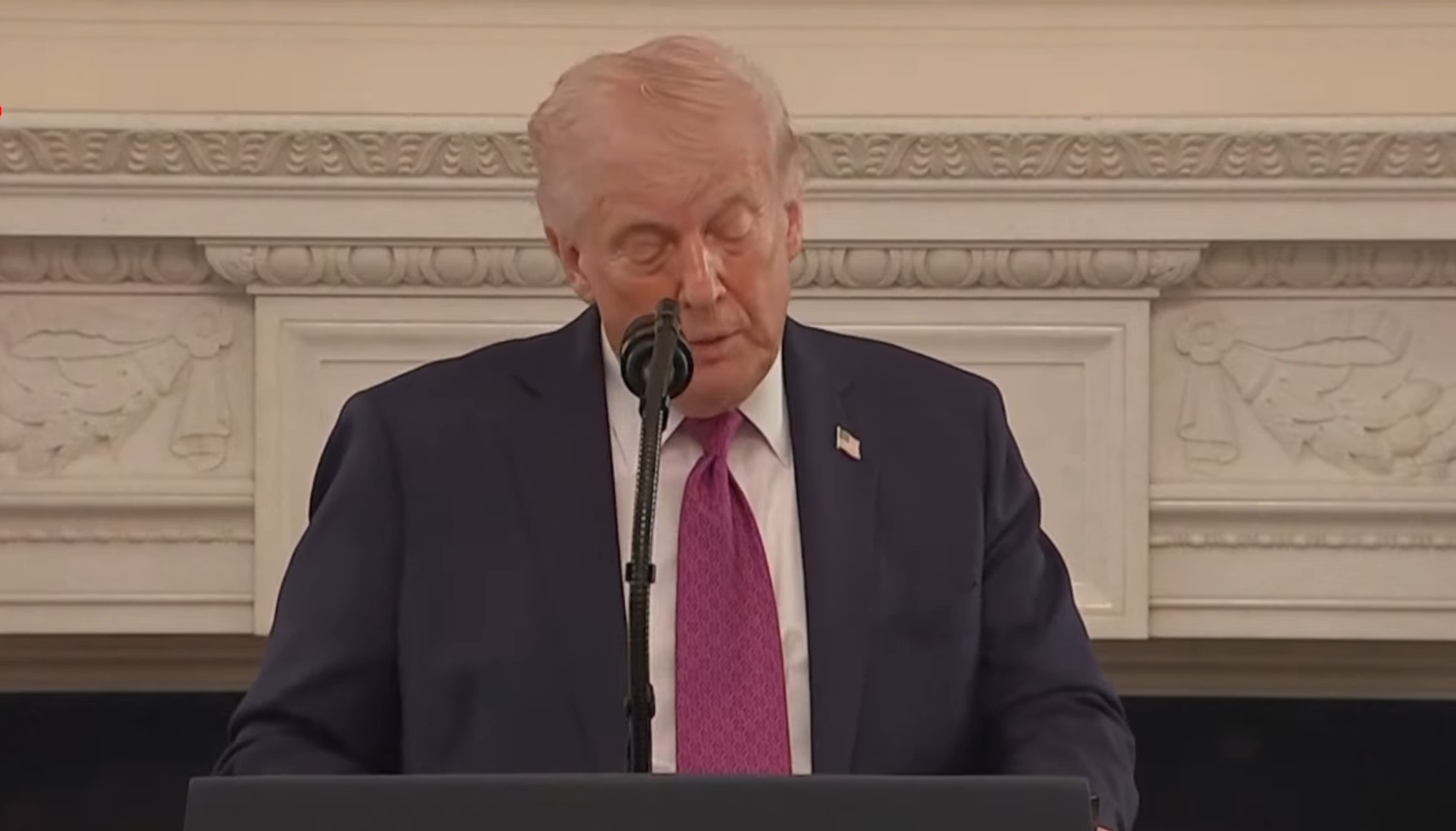
Washington: In a late move just hours before the existing truce was set to expire, U.S. President Donald Trump announced an extension of the ceasefire with Iran. The decision temporarily eases tensions and delays the possibility of renewed conflict in the region.
Pakistan Plays Mediator
According to Trump, the extension came after a direct request from Pakistan’s leadership, including Prime Minister Shehbaz Sharif and Army Chief Asim Munir. They urged the U.S. to hold off on military action until Iran presents a unified proposal for negotiations.
Awaiting Iran’s Proposal
Trump stated that the ceasefire will remain in place until Iran puts forward a clear and agreed-upon proposal. He noted that internal divisions within Iran’s leadership have made it difficult for them to present a unified stance so far.
Military Alert Still in Place
Despite extending the truce, Trump emphasized that U.S. forces will continue maintaining the blockade and remain prepared for any situation. The Strait of Hormuz continues to be under pressure, with U.S. restrictions on Iran still active.
Diplomatic Efforts Continue
Pakistan is expected to facilitate a new round of talks between the U.S. and Iran. However, a planned visit by U.S. Vice President JD Vance to Pakistan has been postponed, signaling ongoing uncertainties in the negotiation process.
Background of the Conflict
The conflict began on February 28 when the U.S. and Israel launched strikes on Iran, leading to a six-week-long confrontation. A ceasefire was reached on April 8, but early diplomatic talks held in Pakistan on April 11 failed to produce a breakthrough.
Situation Remains Fragile
While the extension reduces the immediate risk of escalation, deep disagreements between the parties persist. The coming days will be crucial as all sides wait for Iran’s next move and the possibility of meaningful negotiations.