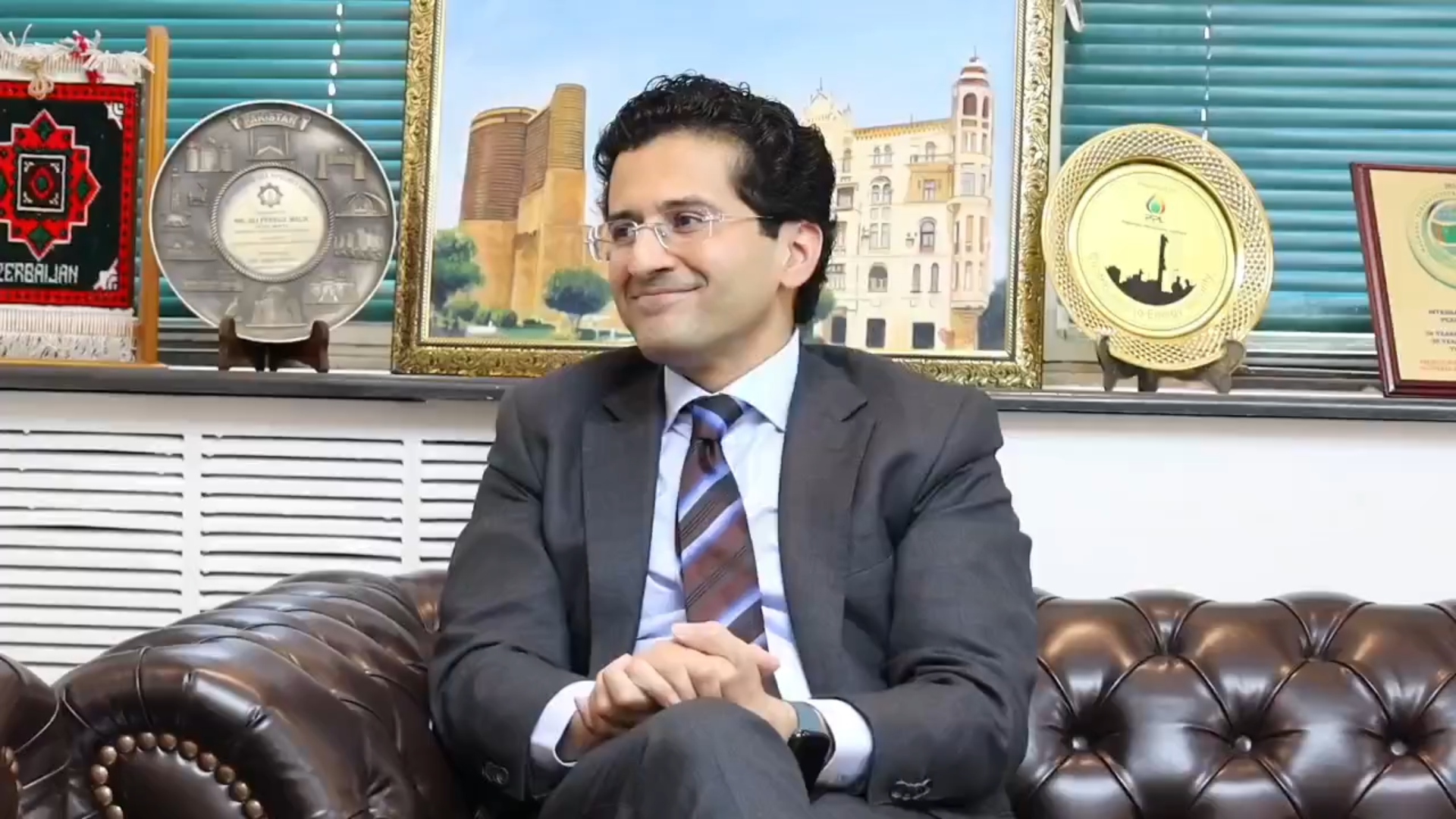
Islamabad, Pakistan : Escalating tensions across the Middle East are beginning to ripple through the global economy. One of the most immediate impacts has been seen in the crude oil market, where prices have surged and supply concerns are growing. Countries around the world are scrambling to manage the situation and shield their economies from further shocks.
India’s Approach Draws Attention
In this challenging environment, India has adopted a calculated strategy to manage fuel supply and pricing. The country has relied on its financial strength and strategic reserves to stabilize domestic conditions. Measures like reducing taxes on petrol and diesel have helped soften the blow of rising international oil prices.

Pakistani Minister Praises India’s Planning
Interestingly, this approach has caught the attention of officials in Pakistan. Pakistan’s Petroleum Minister, Ali Parvez Malik, recently spoke to a local news channel where he openly appreciated India’s handling of the situation.
He highlighted that India not only has strong foreign reserves—estimated at around $600 billion—but also maintains strategic oil reserves. According to him, India’s ability to cut fuel taxes during price spikes reflects its financial flexibility and preparedness.
Pakistan Faces Short-Term Supply Concerns
While praising India, the minister also pointed out the difficulties Pakistan is currently facing. He revealed that the country has oil reserves sufficient for only about 5–7 days, putting it in a vulnerable position amid ongoing global uncertainty.

Energy Crisis Deepens in Pakistan
The shortage of energy resources has already started affecting daily life in Pakistan. Reports of electricity outages are becoming more frequent, and citizens are feeling the pressure of rising fuel costs and limited supply.
A Tale of Two Strategies
The contrast between the two neighboring countries highlights how economic strength and long-term planning can influence crisis management. As global energy challenges continue, strategies like maintaining reserves and flexible taxation policies may prove crucial for stability.