Islamabad/ United States : High-stakes peace talks between the United States and Iran, mediated by Pakistan, ended without any breakthrough after nearly 21 hours of intense negotiations. The discussions, held in Islamabad, failed primarily due to sharp disagreements over Iran’s nuclear program.
Why Did the Talks Fail?
The core issue that derailed the negotiations was Iran’s stance on nuclear weapons. While the US insisted on firm commitments to prevent Iran from developing nuclear capabilities, Tehran refused to accept what it described as unreasonable conditions.
US Stand: “Final Offer Rejected”
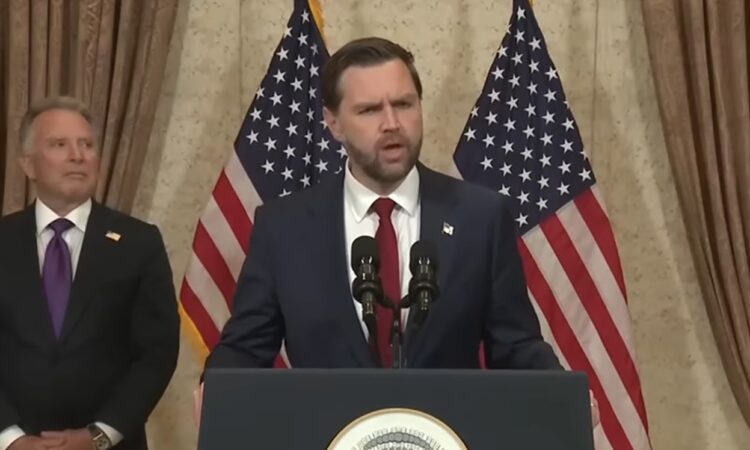
US Vice President JD Vance left the talks before their conclusion, signaling a breakdown in discussions. Although he avoided going into detailed public remarks, he confirmed that the central disagreement revolved around nuclear weapons.
Vance stated that the US had already presented its “final and best offer,” and described the outcome as unfavorable for Iran. He emphasized that Washington was seeking clear assurances that Iran would neither pursue nuclear weapons nor acquire systems that could accelerate such development.
He also noted that this objective aligns with President Donald Trump’s broader policy approach toward Iran.
Iran’s Response: Blames ‘Unrealistic Demands’
On the other hand, Iran strongly criticized the US position. According to Iranian state broadcaster IRIB, their delegation engaged in prolonged and serious discussions to safeguard national interests.
Despite proposing multiple initiatives, Iranian officials claimed that “unjustified and excessive demands” from the US side stalled any progress, ultimately leading to the collapse of the talks.
What Happens Next?
With both sides holding firm to their positions, the failure of these negotiations raises fresh concerns about tensions in the Middle East. For now, there is no indication of when or if the two countries will return to the negotiating table.