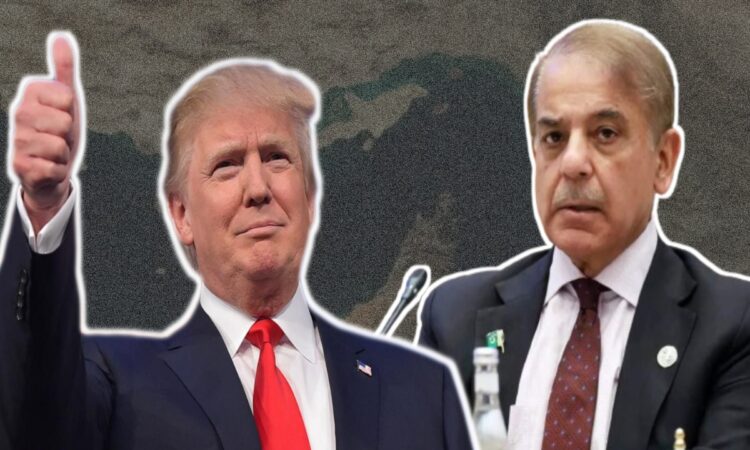
US–Iran Ceasefire : Amid escalating tensions in the Middle East, Donald Trump announced a temporary ceasefire between the United States and Iran. On Tuesday, April 7, Trump confirmed that both sides have agreed to pause hostilities for a period of two weeks.
The announcement came just hours after his earlier warning about a possible large-scale military strike on Iran, marking a sharp turn toward diplomacy.
Details of the Ceasefire Agreement
According to Trump, the United States has decided to halt planned military actions, including potential airstrikes, during this two-week window. He described the arrangement as a “bilateral ceasefire,” emphasizing that both nations would refrain from further aggression.
A key condition of the agreement involves Iran ensuring the immediate and secure reopening of the Strait of Hormuz, a vital global oil transit route.
Pakistan’s Role in Mediation
Trump also highlighted the involvement of Shehbaz Sharif and Asim Munir, crediting their efforts and requests as influential in reaching this temporary truce.Their diplomatic outreach appears to have played a significant role in de-escalating the situation at a critical moment.
Progress Toward a Broader Agreement
The US President revealed that Iran has submitted a 10-point proposal, while discussions have also been based on a broader framework of negotiations. Trump noted that most of the major contentious issues between the two sides have already seen progress.
He expressed optimism that the two-week pause would provide enough time to finalize a long-term peace agreement, not only between the US and Iran but also for stability across the region.
Iran’s Response and Conditions
Iran’s Foreign Minister, Seyyed Abbas Araghchi, acknowledged Pakistan’s role and welcomed the ceasefire initiative. He stated that Iran would halt its defensive military operations if attacks against the country are stopped.
Araghchi also confirmed that Iran is prepared to ensure safe passage through the Strait of Hormuz during the ceasefire period, signaling a willingness to support de-escalation efforts.
A Critical Two-Week Window
With both sides stepping back from immediate conflict, the next two weeks are expected to be crucial. Diplomatic negotiations will likely determine whether this temporary ceasefire can evolve into a lasting peace arrangement in the Middle East.