US-Iran Ceasefire : Amid growing uncertainty over the future of the ceasefire between the United States and Iran, there were fears that hostilities could resume at any moment. Concerns were mounting that the fragile truce might collapse, leading to renewed military strikes.
However, in a significant move, Donald Trump has decided to extend the ceasefire for some more time through a unilateral decision, temporarily easing fears of immediate escalation.


Fresh Maritime Attacks Spark Alarm
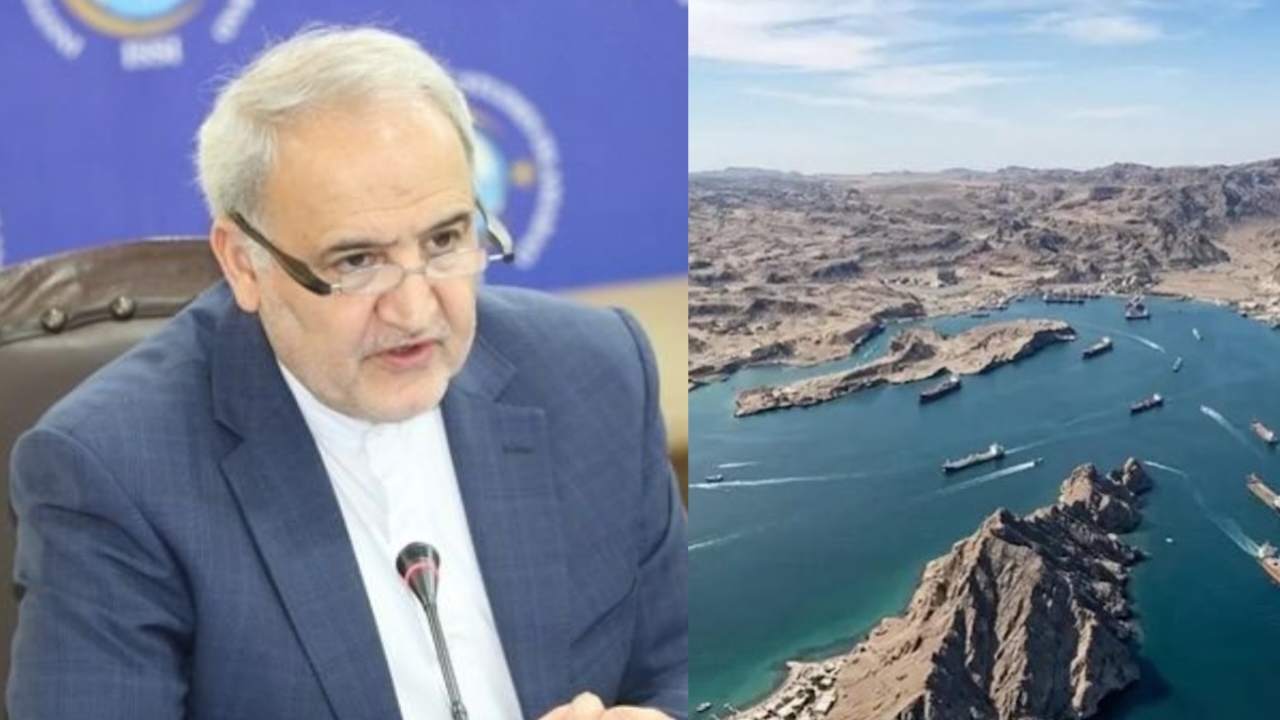
Despite the extension, tensions remain high. Reports indicate that Iran’s Islamic Revolutionary Guard Corps (IRGC) targeted another vessel in the Strait of Hormuz, marking the third such incident.
Earlier in the day, two ships—MSC Francesca and Epaminondas—were also reportedly attacked. While all crew members are said to be safe, one of the vessels sustained serious damage to its bridge.
The United States and international monitoring agencies have strongly condemned these incidents, warning that such actions pose a direct threat to global trade routes and energy security.


Diplomatic Efforts Continue
In parallel with these developments, diplomatic engagement is ongoing. Reza Amiri Moghadam met with Shehbaz Sharif to discuss the evolving regional situation and peace efforts.
During the meeting, Prime Minister Sharif welcomed the decision by Donald Trump to extend the ceasefire, noting that it came following a request from Pakistan. He expressed hope that the upcoming second round of talks in Islamabad could pave the way for a broader and more lasting peace agreement.
Ambassador Moghadam also appreciated Pakistan’s role in facilitating dialogue and mediation during this tense period.
A Fragile Calm
While the ceasefire extension has provided temporary relief, the recent attacks highlight the fragile nature of the situation. With diplomatic talks underway and tensions still simmering, the coming days will be crucial in determining whether stability can be maintained in the region.